
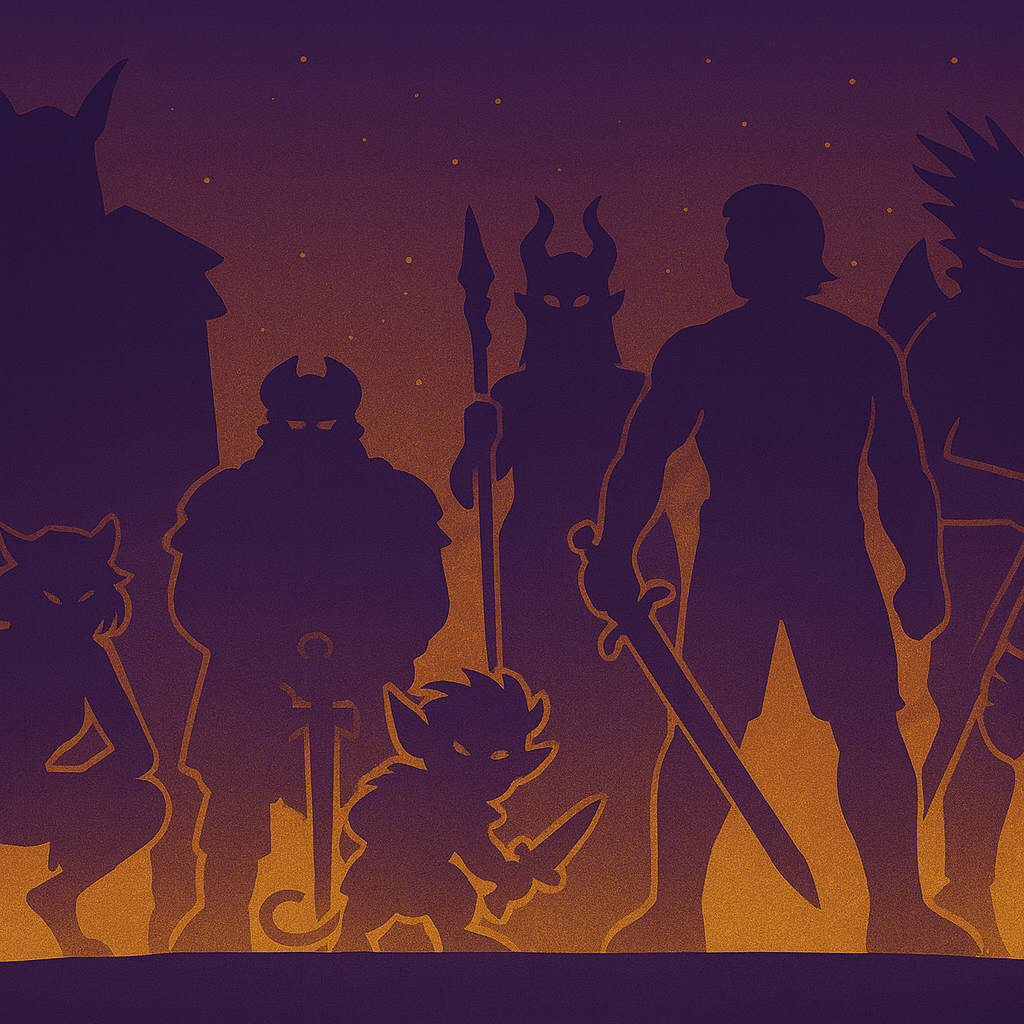
Daggerheart takes a fresh approach to what Dungeons & Dragons players know as races. Instead of “race,” the game uses the term ancestry – a lineage that shapes your character’s look and unique abilities. Unlike D&D’s mostly passive bonuses, Daggerheart ancestries give you active features you can call upon in play. You can also create Mixed Ancestries by combining features from two ancestries, meaning you’re not locked into half-elves, half-orcs, or any single template.
It’s important to note that ancestries have commonly been referred to as races in the past. This article uses Daggerheart’s term as ancestry.
Here are all the official ancestries currently in the open beta, with their descriptions and mechanical perks. Some ancestries are difficult to find examples. Let us know if you have any!
Clank
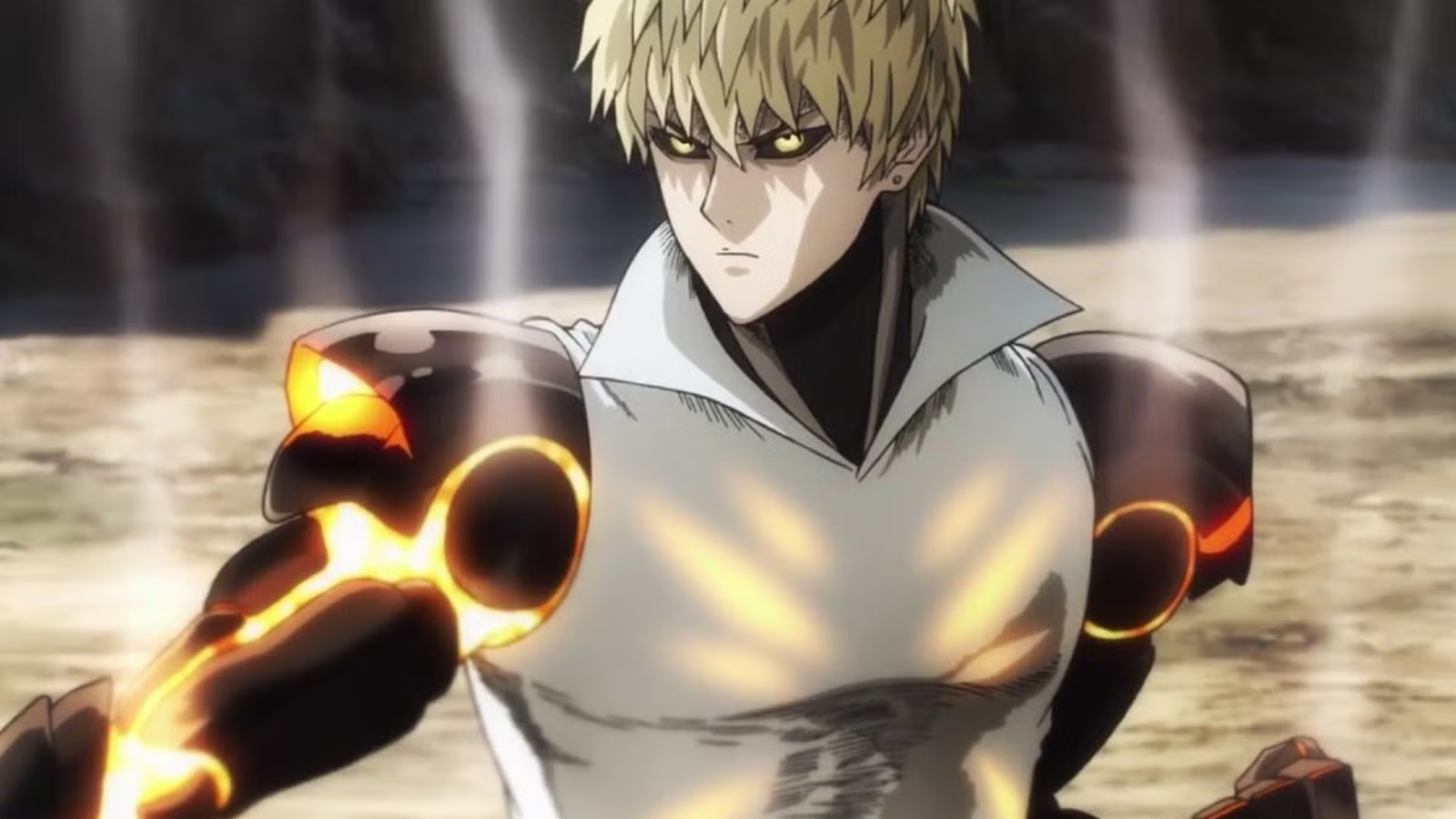
Sentient constructs built from metal, wood, clay, or stone. Clanks are living creations, often modified over time with new parts or designs.
Features:
- Purposeful Design – Choose one of your Experiences during character creation; gain a permanent +1 bonus to it.
- Efficient – During a short rest, you may use one ability or recovery normally reserved for a long rest.
Inferis (Daemon)
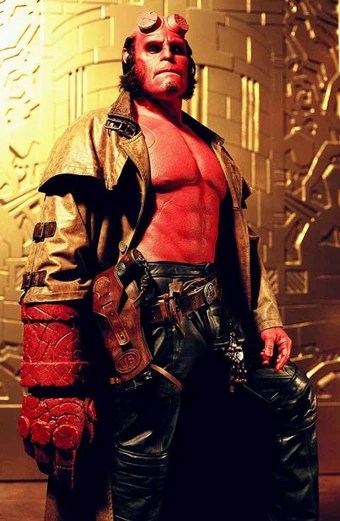
Tiefling-like humanoids descended from demons or fallen gods. They bear horns, fangs, vivid eyes, and often carry an unsettling presence.
Features:
- Fearless – Mark 1 Stress to avoid giving the GM Fear when a roll would otherwise cause it.
- Dread Visage – Gain advantage on Intimidation rolls against non-Inferis.
Drakona
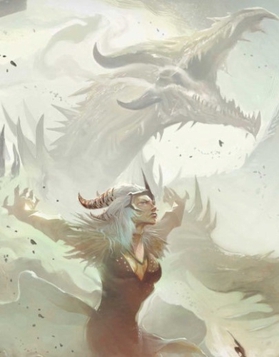
Wingless dragon-humanoids with horns, scales, and draconic eyes. They embody the pride and power of dragons. *(And are rare to find in popular fiction!)
Features:
- Scales – Mark 1 Stress to reduce Severe wound damage by 1 Hit Point.
- Elemental Breath – Choose an element at creation (fire, ice, lightning, poison, acid). Unleash a breath attack as a magical Instinct-based weapon (d8 damage).
Dwarf
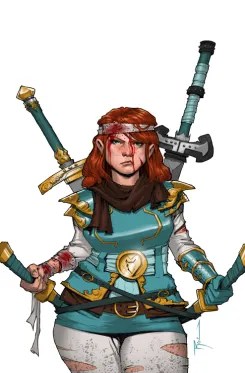
Stout, enduring, and often decorated with hair, gems, or tattoos. Dwarves are legendary for their fortitude.
Features:
- Thick Skin – Mark 2 stress instead of a Hit Point when taking minor damage.
- Increased Fortitude – Spend 3 Hope to halve incoming physical damage.
Elf
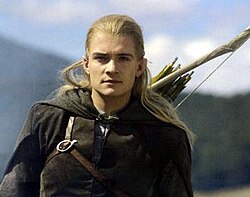
Graceful, magical, and attuned to the natural world. Many elves display “Mystic Forms” such as glowing freckles or bark-like skin.
Features:
- Quick Reactions: On a reaction roll, mark a stress to gain advantage.
- Celestial Trance – During a long rest, enter a meditative state to fully refresh: clear all Stress and heal damage.
Faerie
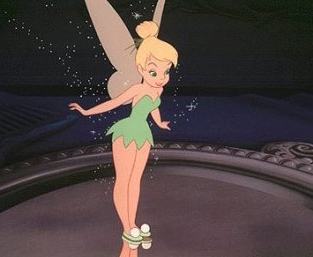
Tiny, winged insect-like folk with colorful forms and short but transformative lives.
Features:
- Wings – Mark 1 Stress to fly for minutes equal to your level; gain increased Evasion while flying.
- Luckbender – Spend 3 Hope once per session to reroll Duality Dice for yourself or an ally.
Faun
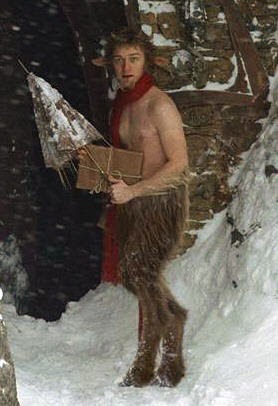
Goat-legged revelers tied to nature and joy, with horns and furry bodies.
Features:
- Caprine Leap – You can leap anywhere within Close range as though you were using normal movement.
- Kick – On a successful attack against a target within melee range, mark a stress to kick yourself off of them, dealing an extra 2d6 damage and knocking back either yourself or the target to very close range.
Firbolg
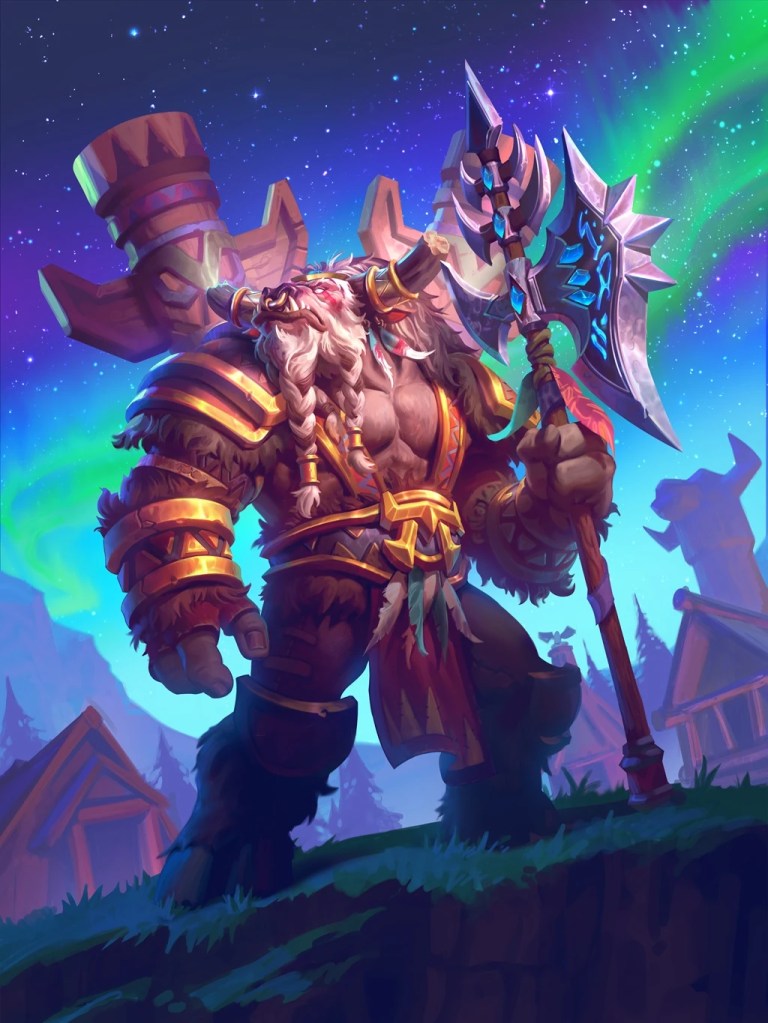
Gentle, towering folk with bovine or deer-like features, tied deeply to nature.
Features:
- Charge – On a successful Agility Roll to move from Far or Very Far to melee, mark a stress to deal 1d12 physical damage to all targets within melee.
- Unshakable – When you mark a stress, roll a d6. On a 6, don’t mark the stress.
Fungril
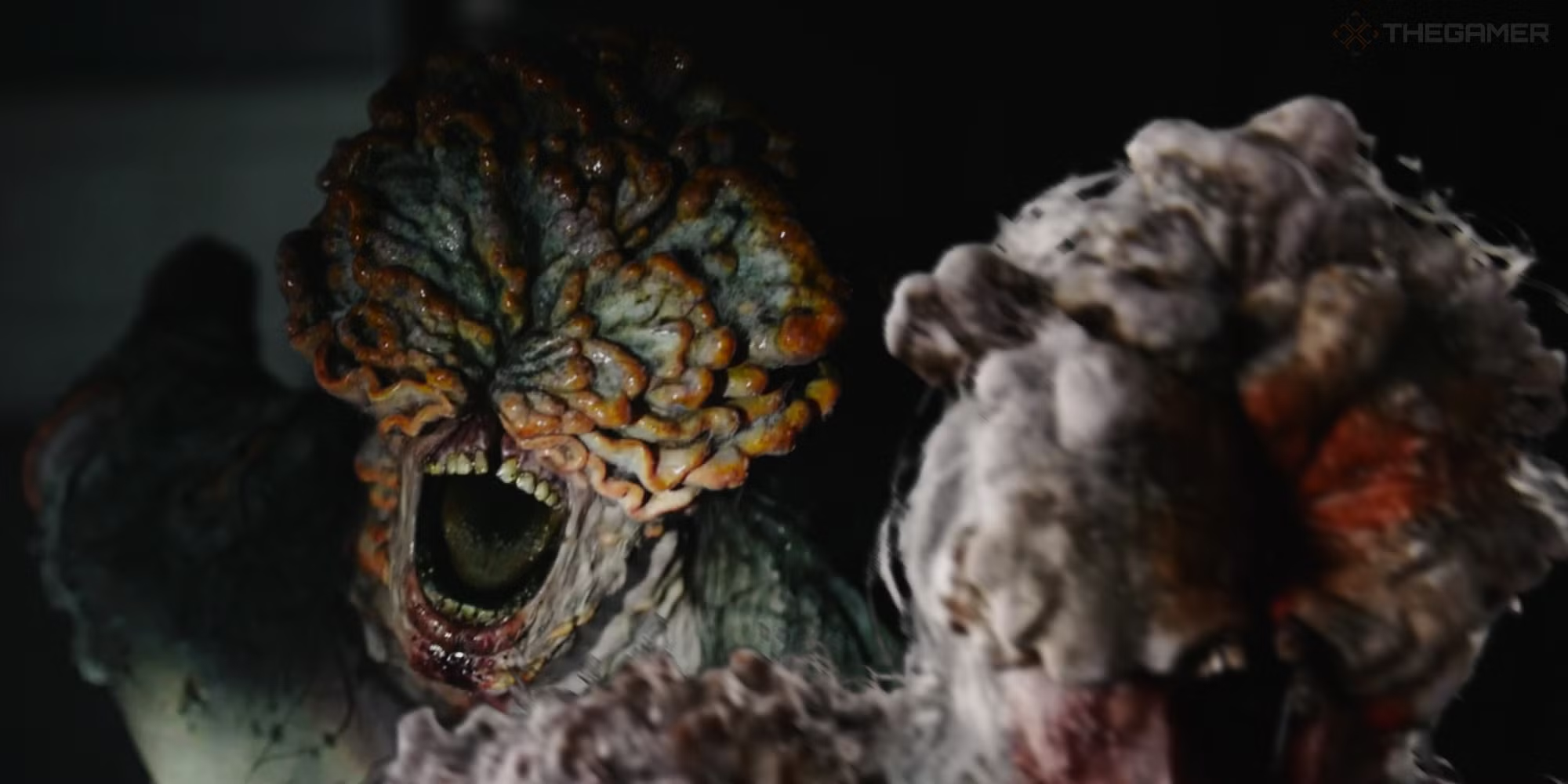
Walking mushroom people, connected to the great fungal networks of the world.
Features:
- Fungril Network – Make an Instinct Roll (12) to use mycelial array to speak to others of your ancestry. On a success, you can communicate across any distance.
- Death Connection – Mark a stress and touch a corpse to extra one memory, related to a specific emotion or sensation of your choice.
Galapa
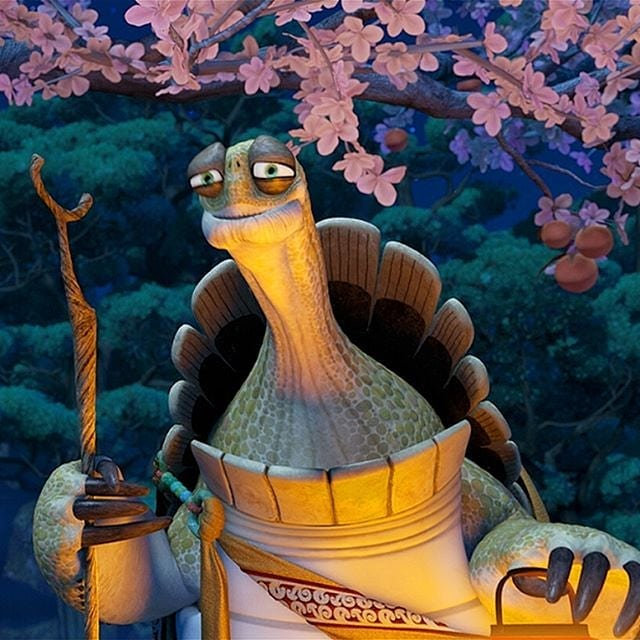
Turtle-like humanoids with shells that grant them patience and resilience.
Features:
- Shell – Gain a bonus to your damage thresholds equal to your Proficiency.
- Retract – Mark a stress to retract into your shell. While in the shell, you have resistance to physical damage, disadvantage on action rolls, and cannot move.
Giant
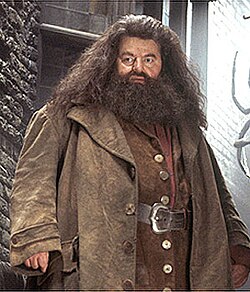
Towering folk, ranging from 6.5 to 8.5 feet, sometimes with extra eyes.
Features:
- Endurance – Begin with 1 additional Hit Point.
- Reach – All melee weapons gain one step of extended range (up to “Very Close”).
Goblin
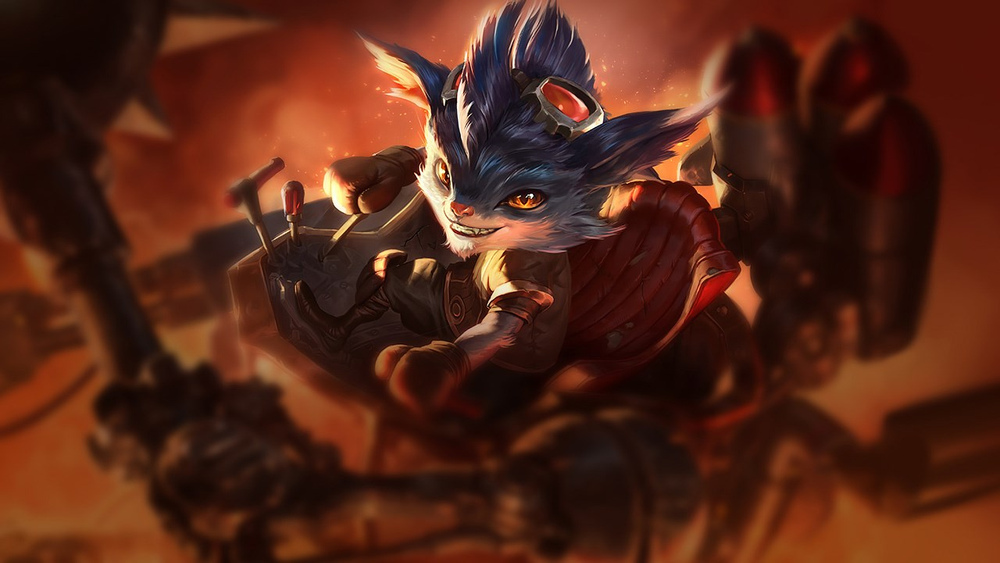
Small, scrappy survivors who excel at turning junk into clever tools.
Features:
- Surefooted – Ignore disadvantage on agility rolls.
- Danger Sense – Spend 1 Stress to force an attacker to reroll. If still hit, reduce the damage by your Proficiency.
Halfling
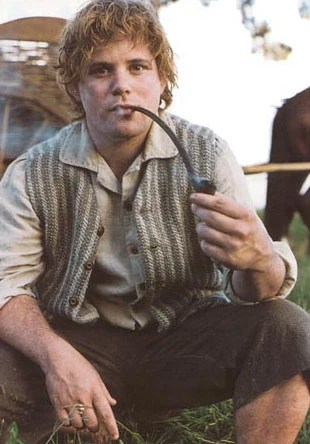
Cheerful, lucky folk with warm hearts and boundless optimism.
Features:
- Internal Compass – On a hope roll of 1, you can re-roll it.
- Little Lucky – At the start of each session, grant 1 Hope to each party member. Also reroll any natural 1 on your Hope die.
Human
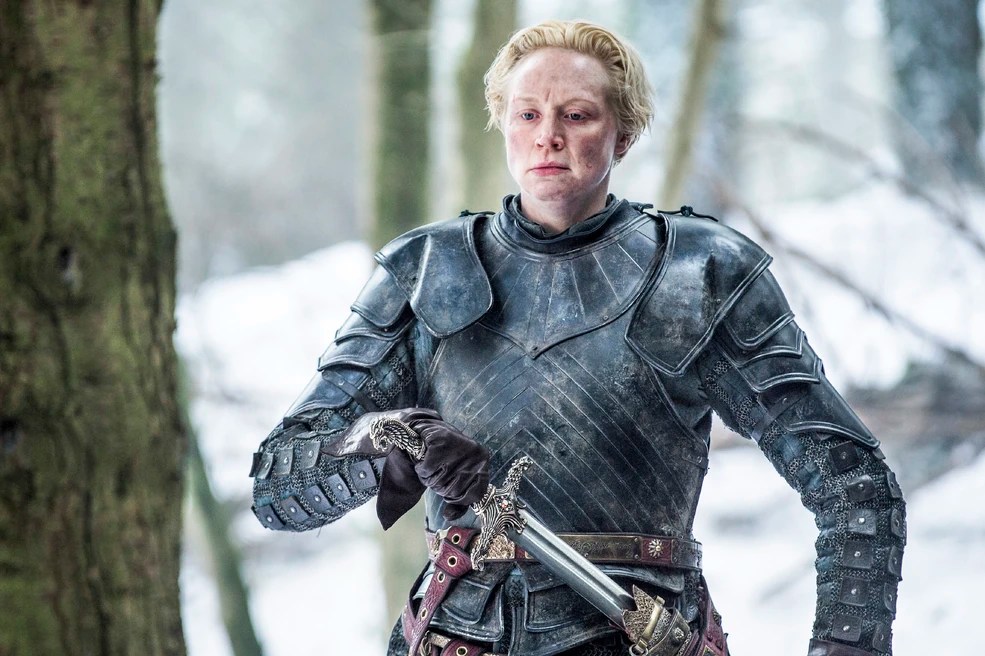
Adaptable and driven, humans come in endless cultures and paths.
Features:
- High Stamina – Gain an additional Stress slot.
- Adoptability – When you fail a roll tied to an Experience, spend 1 Hope to reroll.
Katari
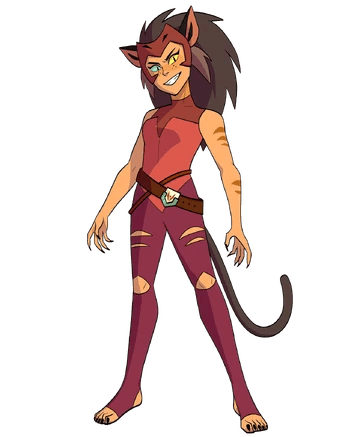
Catfolk who are agile, curious, and fiercely independent.
Features:
- Retracting Claws – Make an Agility Roll to attack a target within Melee. On a success, they are temporarily vulnerable.
- Feline Instincts – On an Agility Roll, mark 2 hope to reroll your hope.
Orc
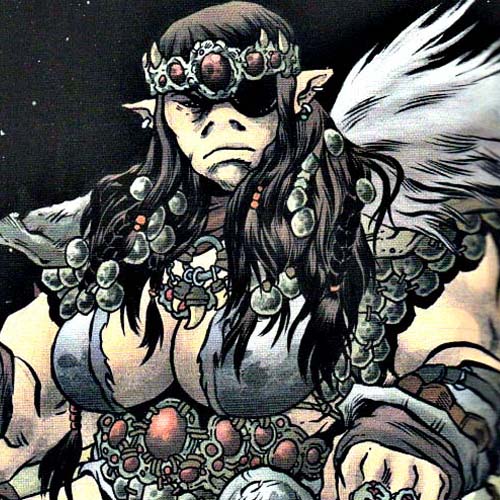
Tusks, muscle, and determination define the orc people. They value strength and resilience.
Features:
- Tusks – On a successful attack within melee, spend a hope to gore the target, dealing an extra 1d6 damage.
- Sturdy – At 1 hit point remaining, attacks against you have disadvantage.
Ribbet
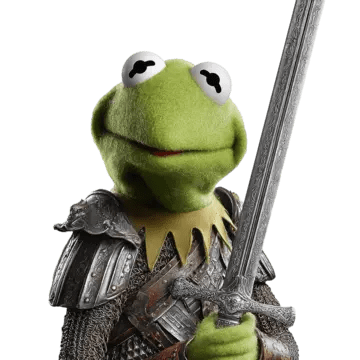
Frog-like adventurers with boundless energy and surprising versatility.
Features:
- Amphibious – Breathe underwater as easily as on land.
- Long Tongue – Mark 1 Stress to lash out with your tongue as a Finesse weapon (d12 damage) or to grab objects.
Simiah
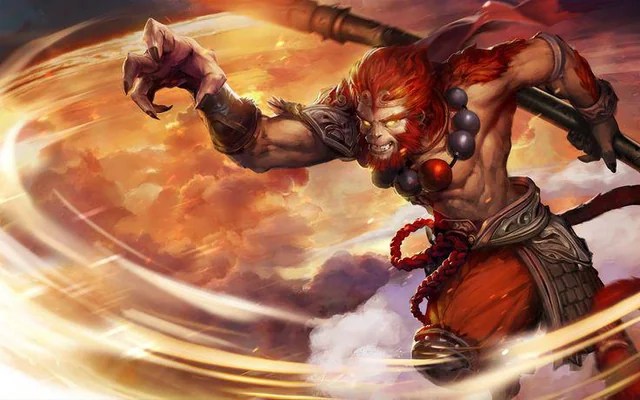
Primate folk who climb, swing, and leap with natural ease.
Features:
- Natural Climber – You have advantage on agility rolls for balancing and climbing.
- Nimble – Gain a permanent +1 to Evasion.
Mixed Ancestry in Daggerheart
One of Daggerheart’s most flexible features is the option to create a Mixed Ancestry. Instead of having separate “half-elf” or “half-orc” races, you simply combine two ancestries and choose one feature from each. This allows you to create hybrids or unique lineages without being limited to pre-written templates.
How It Works:
- During character creation, select two ancestries instead of one.
- Pick one feature from the first ancestry and one feature from the second.
- Describe how your character’s appearance and culture blend the two.
Example Builds:
- Elf + Orc: You might have the Celestial Trance of an elf, paired with the Sturdy Armor resilience of an orc — a character who meditates like a sage but refuses to fall in battle.
- Halfling + Inferis: Start every session by inspiring allies with Hope, while also carrying a Dread Visage that can frighten enemies. A lucky but intimidating little adventurer!
- Fungril + Human: Connected to the fungal hivemind yet defined by human perseverance — a wanderer who hears the whispers of spores but pushes forward with grit.
Why It’s Different from D&D:
- In D&D, half-races often came with set traits (like Half-Elf charisma boosts or Darkvision).
- In Daggerheart, you decide which traits matter. There’s no restriction to certain combos, which encourages creativity and diverse character concepts.
This makes Mixed Ancestry one of the best tools for storytelling flexibility in Daggerheart, giving players the freedom to invent unique hybrids that reflect their character’s personal journey.

 Mym's Well
Leave a comment